
You are fans of antiques and passionate about arts and crafts ? Curious about everything? You think you know the Marais at your fingertips? Well, think again! Behind its lively streets and mansion facades, a discreet village, almost invisible at first glance, jealously guards its secretsA timeless place where you can forget the hustle and bustle of Paris and stroll without rushing, where history emerges on every cobblestone and where hidden shops are full of unsuspected treasures.
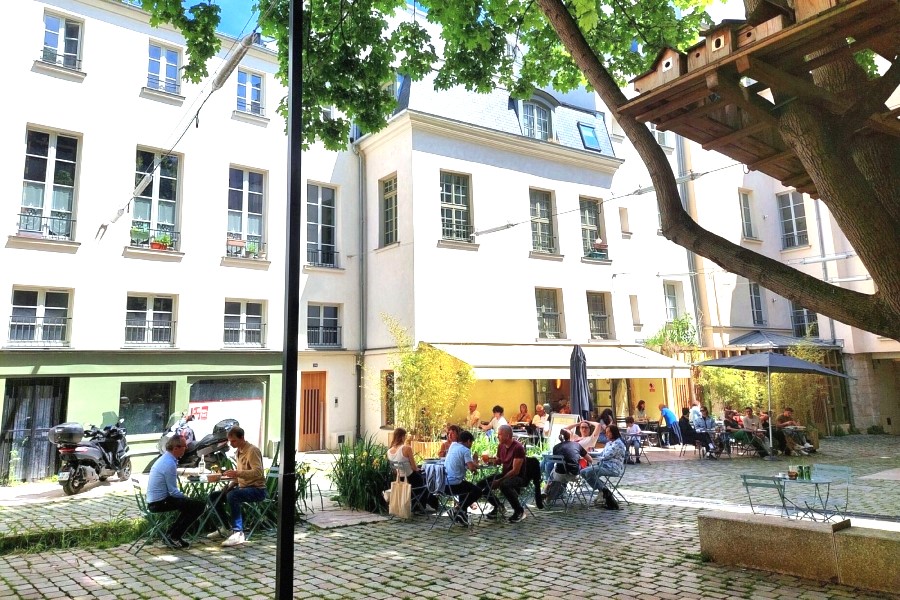
Welcome to the Village Saint-Paul, a real labyrinth of cobbled courtyards and vaulted passages, nestled between the street Saint-Paul and the Seine river. Here, antique dealers rub shoulders with designers, craftsmen breathe new life into old objects, and savvy collectors come to unearth the rare piece that was missing from their world. Ceramists, framers, sculptors, restorers… all perpetuate meticulous know-how, hidden from view.
Pass one of the relatives of the street Saint-Paul, venture around a discreet passage and let yourself be captivated by the unique atmosphere of this Marais more intimate and more confidential. The Village Saint-Paul today shelters more than 40 designer boutiques, antique dealers, gallery owners, grocers, restaurants and tea rooms whose doors you can enter every day, including Sundays. Village Saint-Paul only waiting for the curious… and the passionate. Follow me!
A royal and medieval heritage
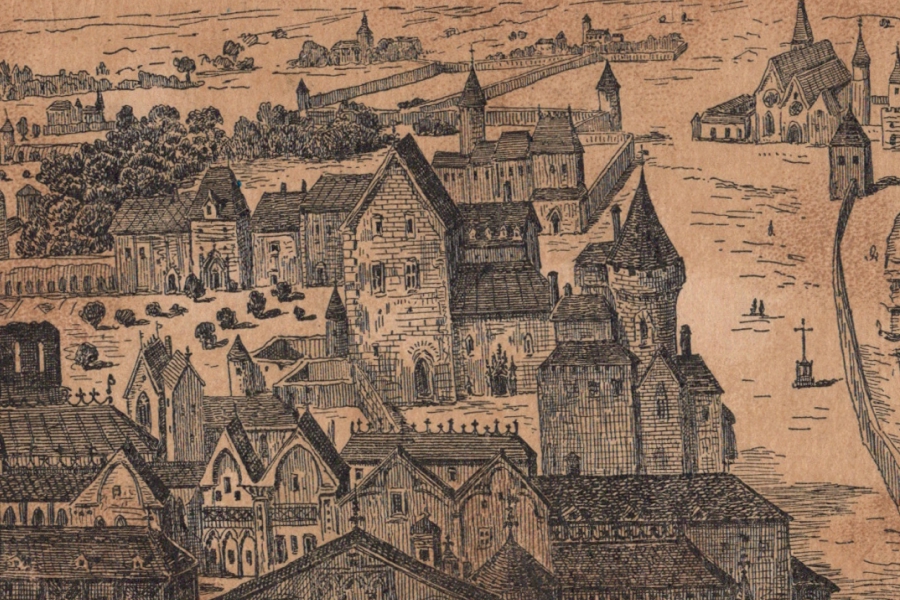
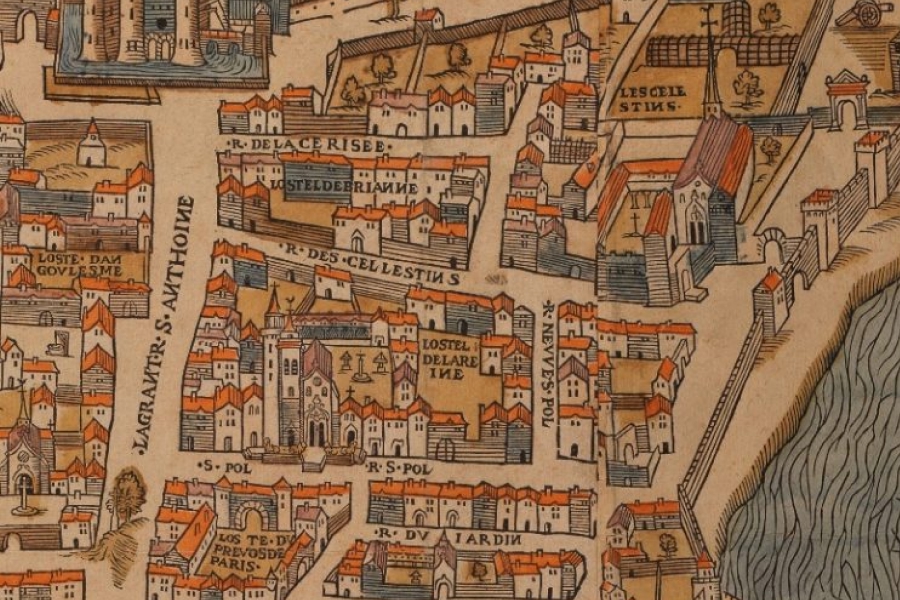
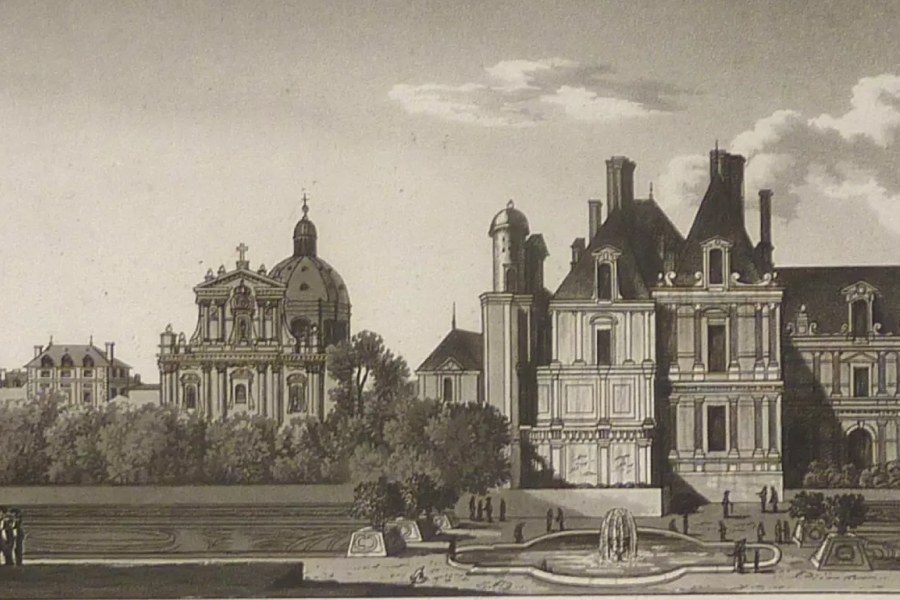
Before being a haunt of antique dealers and artisans, This district was a royal residenceIn the 14th century, King Charles V established theSaint-Pol Hotel, a sumptuous palace with refined gardens, where courtiers enjoyed a more intimate life, far from the obligations of the court. It is even said that the king raised lions there in his royal menagerie (hence the current Rue des Lions-Saint-Paul !), the first seen in Europe – quite a program! But time takes its toll and, in the 16th century, This architectural jewel was dismantled stone by stone.
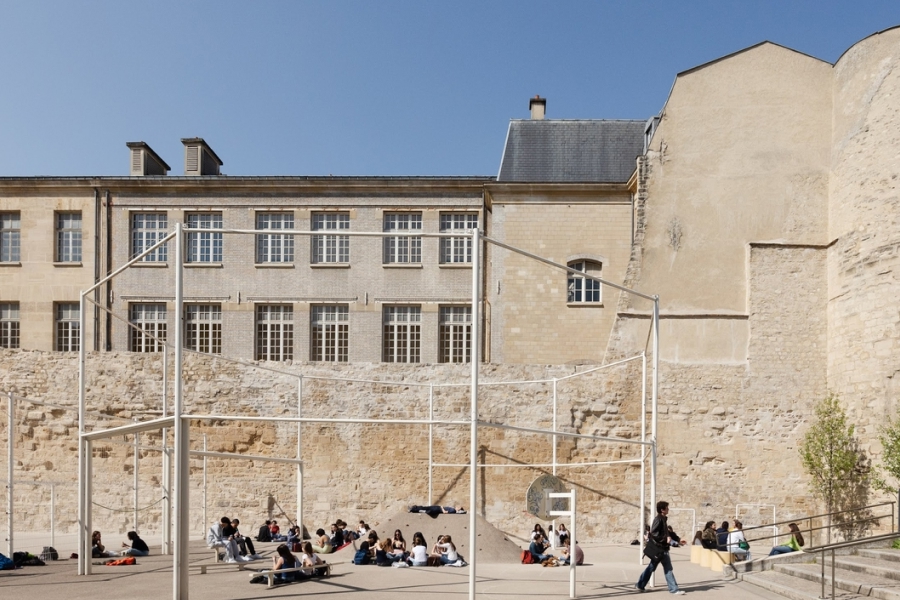
In its place, a network of alleys and courtyards was formed, lined with buildings from various eras, where traces of medieval and Renaissance Paris can still be seen. The remains of theenclosure of Philippe Auguste. This surrounding wall built in the 12th century to protect the city, are still visible, reminding us that Paris has not always been a capital without walls... In the aftermath of the First World War, the area was officially declared unsanitary. and threatened with pure and simple destruction. Fortunately, in 1962, the Malraux law for the protection of the Marais comes to the aid of the neighborhood Saint-Paul. A new story can then open…

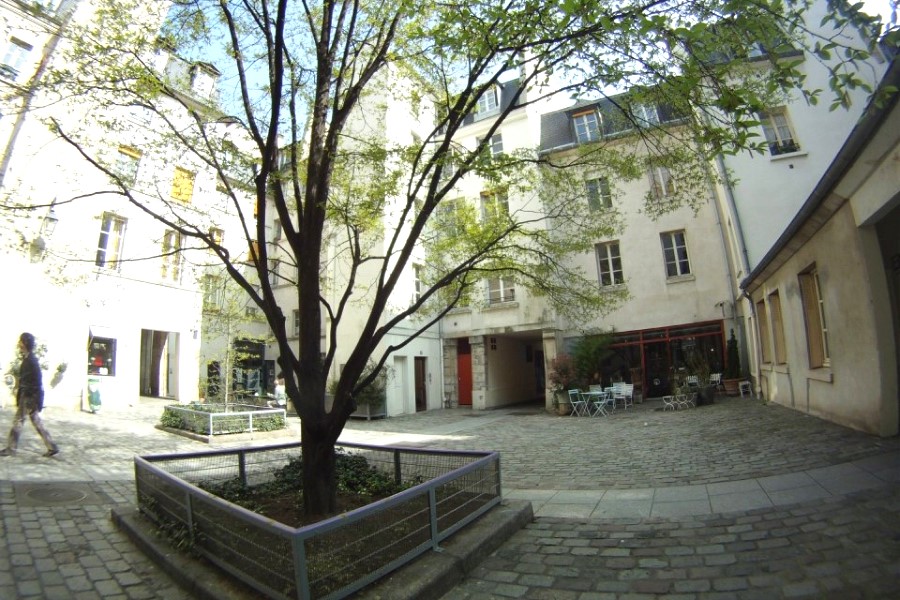
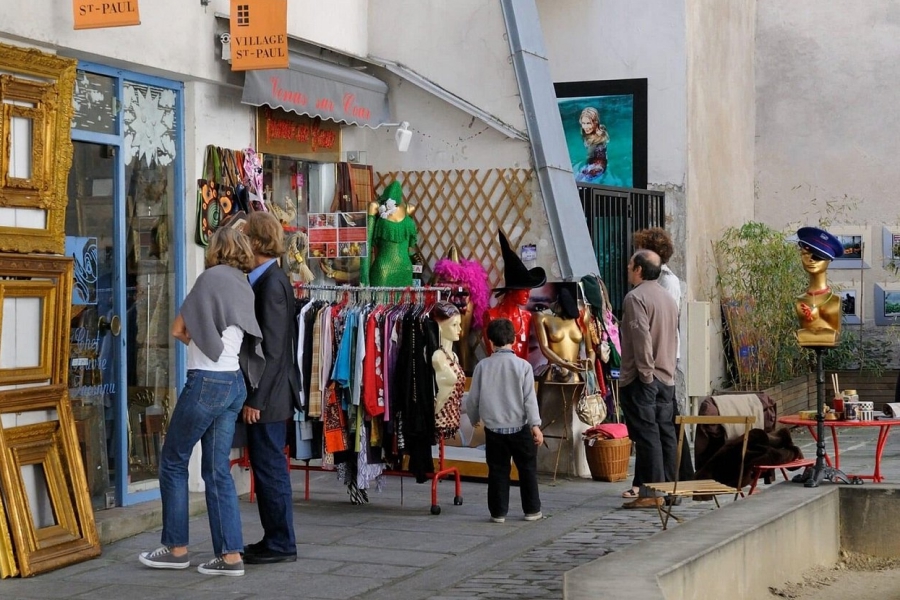
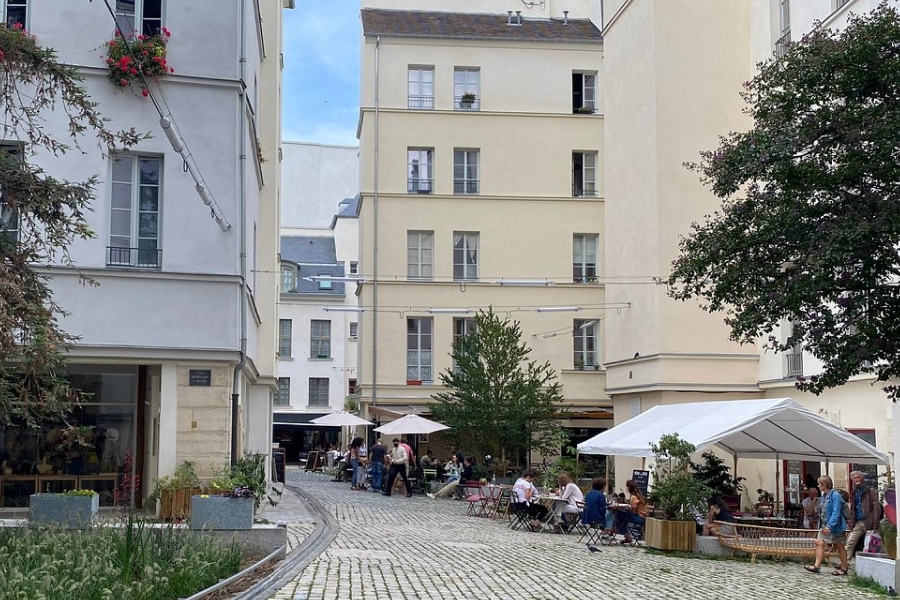
Today, Village Saint-Paul became a true temple of beautiful things. Here, we don't shop, we hunt, we dig, we discover. The paved courtyards house workshops and boutiques where history combines with art.
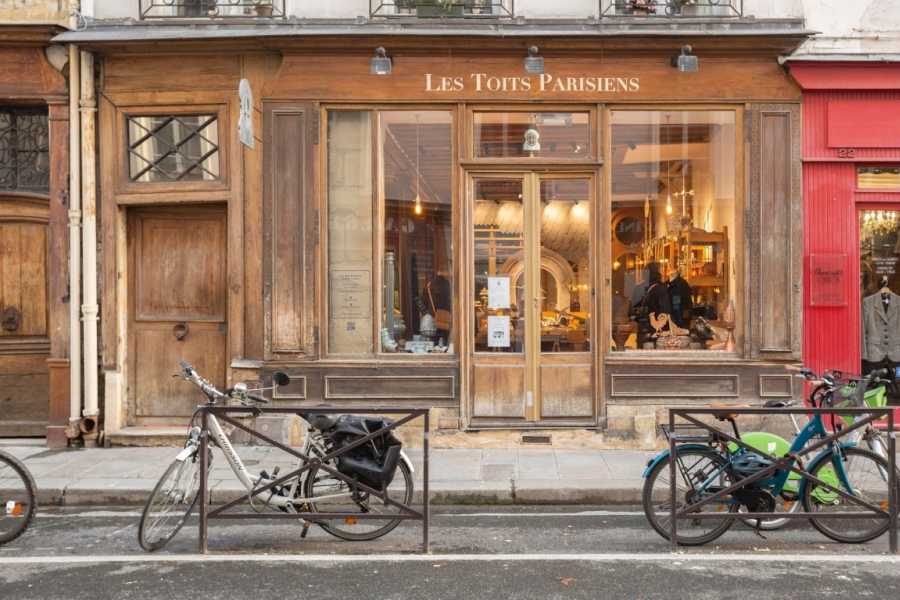
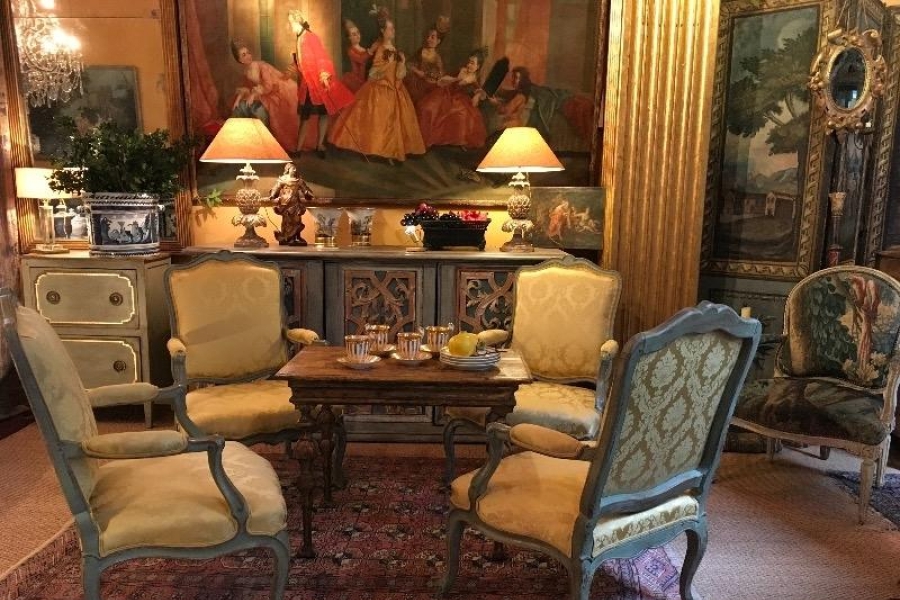
We come across some passionate antique dealers, true storytellers of objects, who unearth unique pieces ranging from Louis XV furniture to Art Deco curiosities. Lovers of vintage and contemporary design will also be delighted: some shops are full of treasures from the 50s, 60s and 70s, with sculptural lighting, chairs with iconic lines and retro posters in bright colours.
But what makes the soul of the Village Saint-Paul, these are also the artisans, who perpetuate age-old know-how. Wood gilders, framers, ceramists, sculptors, restorers of paintings or old books… Here, everything is done with patience and rigor, and you only have to push open the door of a workshop to glimpse expert hands giving new life to objects from the past or shaping contemporary creations inspired by ancestral techniques.

A timeless bubble
Le Village Saint-Paul, it is also an atmosphere. Unlike the busy streets of the Marais, here, everything is calm. Visitors slip between hidden courtyards, vaulted passages, stone walls patinated by time. We hear the hushed conversations of merchants and collectors, the laughter of a craftsman who shares his knowledge with a curious person, the soft clicking of tools in a workshop…
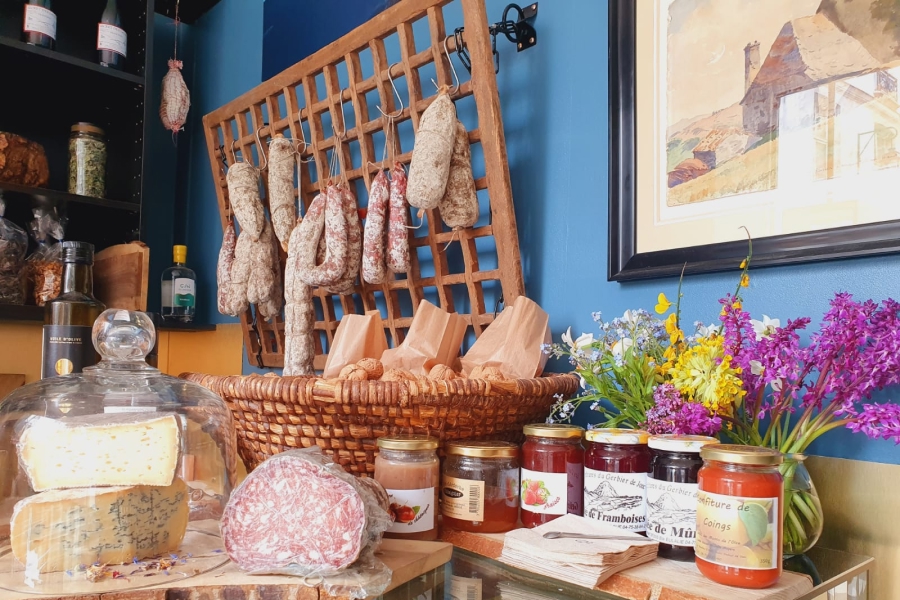
It is a place to stroll, to observe, to give free rein to one's curiosity.We enter a shop to admire an XNUMXth century piece of furniture, we come out fascinated by an ultra-modern sculpture. We chat with a craftsman who is polishing a handmade piece of jewelry, and we discover, a few steps further, a small improvised shop filled with engravings and prints from another century. A stone's throw from a grocer of regional products that delights the taste buds, the little Museum of Magic amazes young and old alike…
Le Village Saint-Paul does not have the art of flashy staging. Here, there are no flashy shop windows or big signs. Everything is discovered along the way, according to your instinct. And that is what makes it so charming.
A preserved and reinvented heritage
Although the neighborhood seems frozen in time, it has never stopped evolving. After experiencing some rather sleepy years, this secret corner of the Marais has regained new splendor thanks to an extensive restoration of the facades and interior courtyards.
Precisely, along the rue du Figuier, an imposing building attracts attention with its medieval turrets and its appearance of a small fortified castle. It is theHôtel de Sens, one of the rare examples of medieval civil architecture still standing in Paris. Built at the end of the 15th century, it was for a long time the residence of the archbishops of Sens, at a time when Paris still depended on this powerful ecclesiastical province. Its past is also marked by an illustrious resident: the Queen Margot, who lived there after his divorce from Henri IV, between romantic escapades and settling of scores worthy of the greatest cloak and dagger novels.
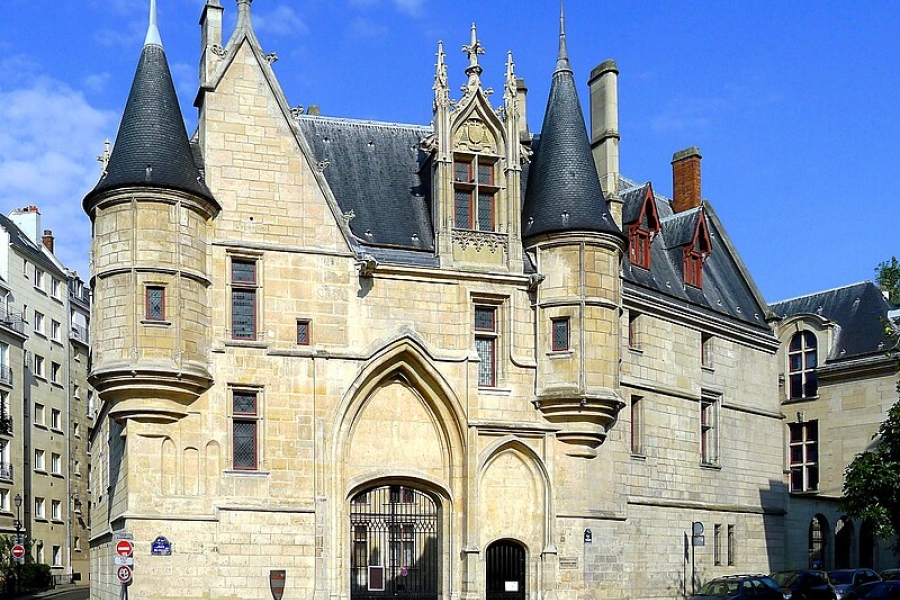
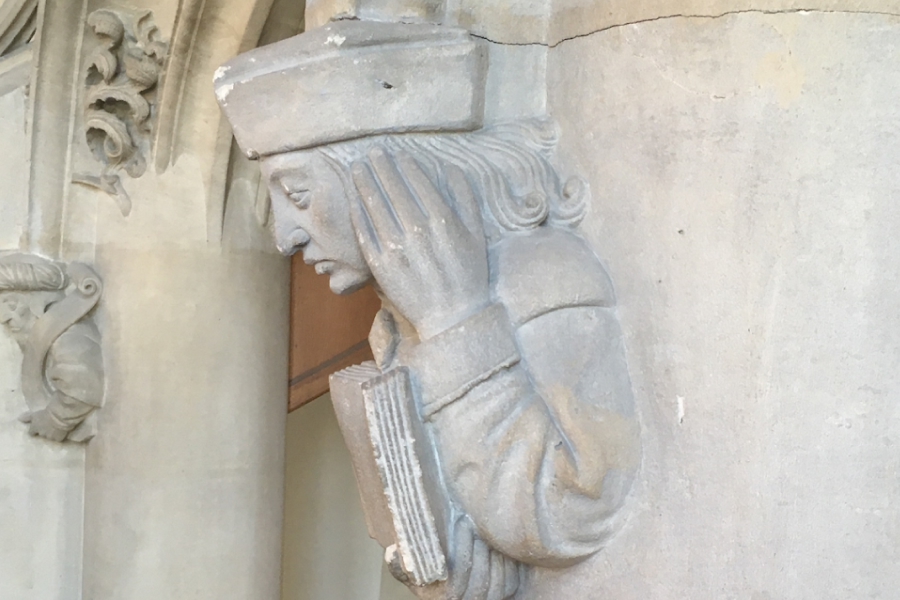
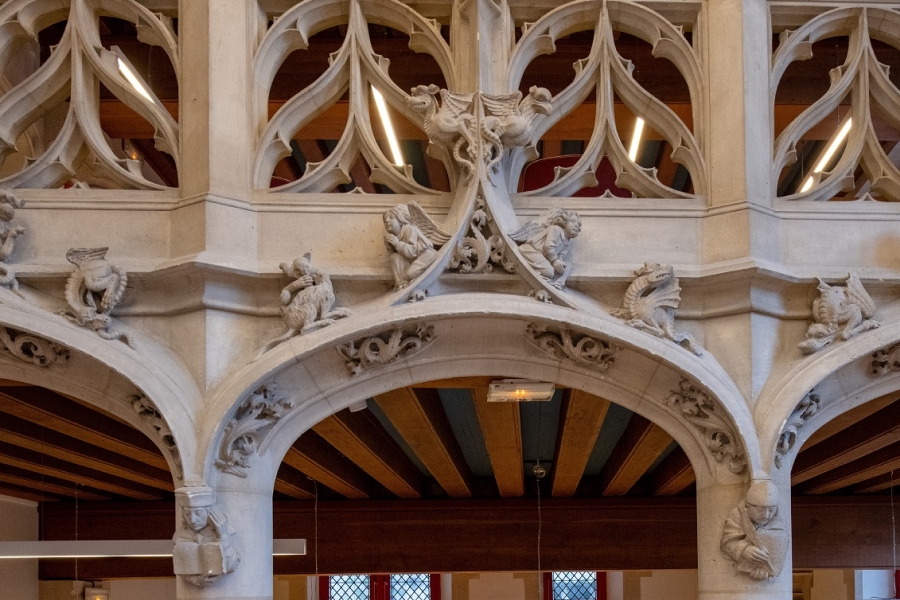
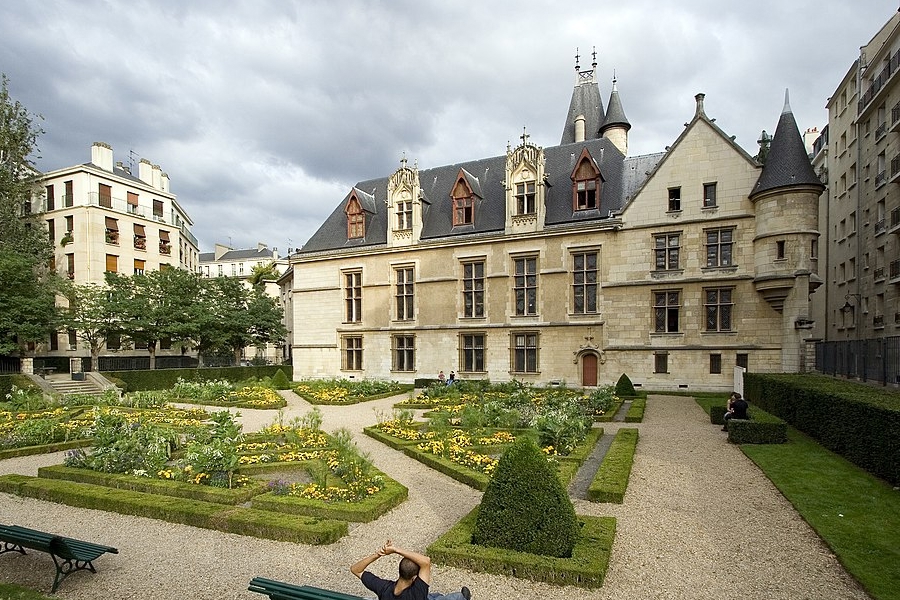
Today, this Gothic gem houses the Forney Library, specializing in graphic and decorative arts. Old posters, fashion catalogues, rare books… Behind its stone walls lies an Ali Baba's cave for lovers of images and art history.
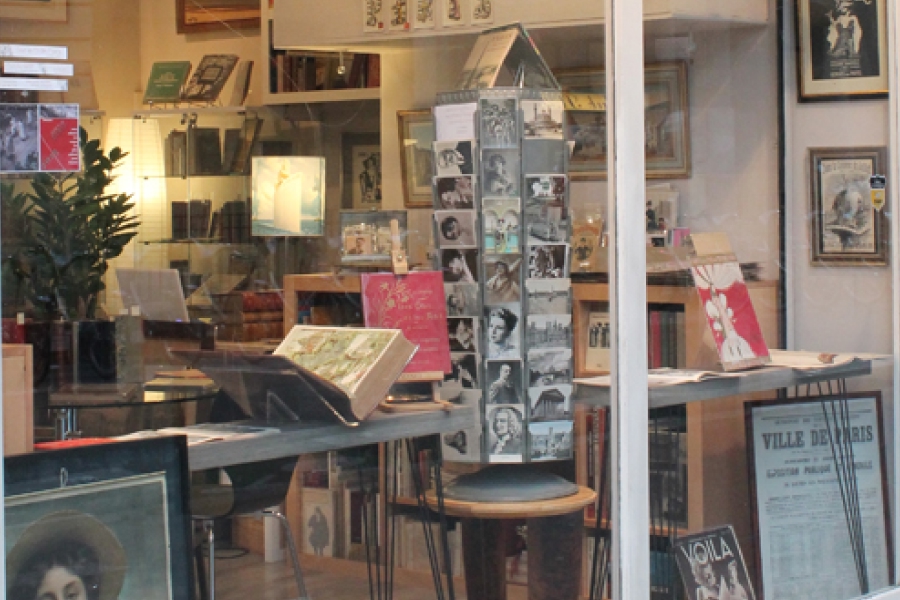
My favorite: the bookstore Sur le Fil de Paris !
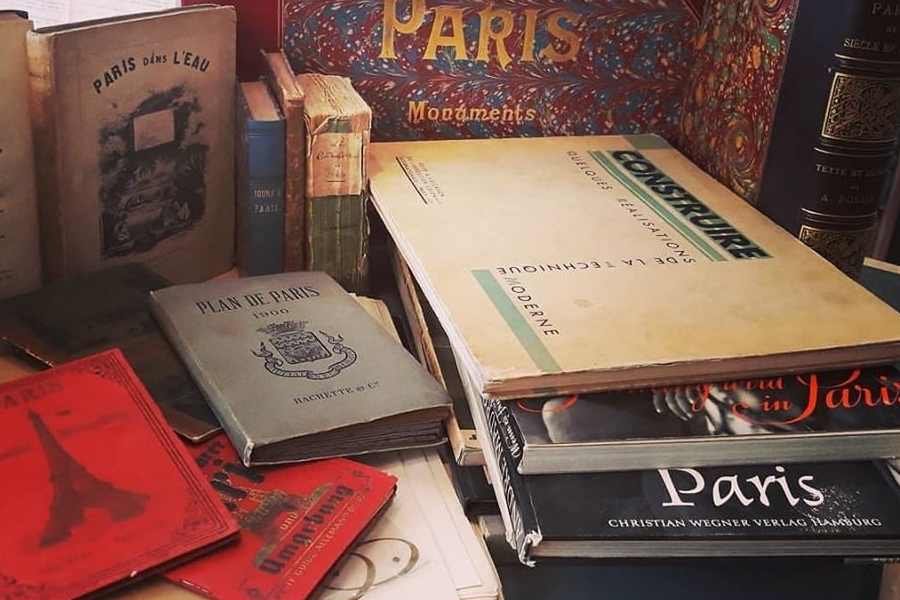
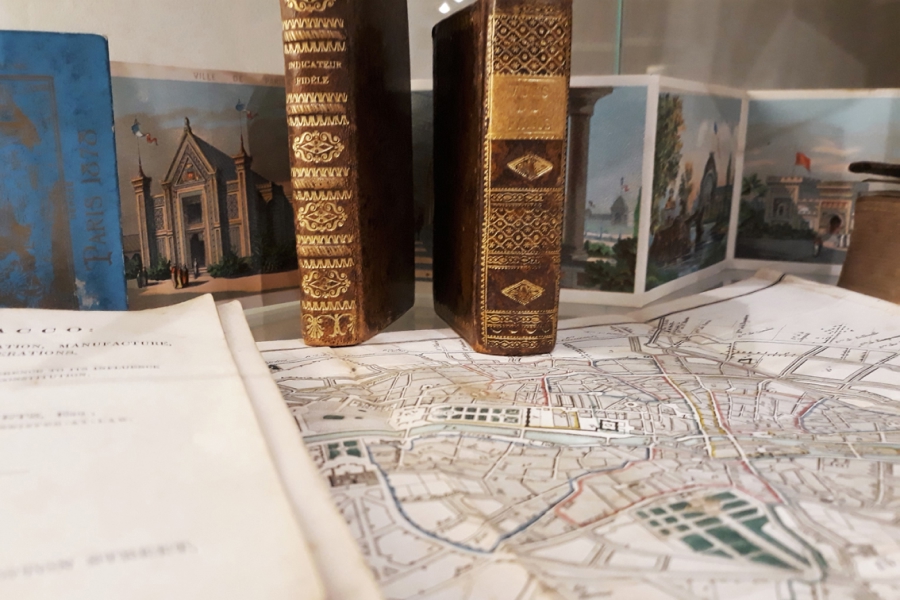
I am passionate about the history of Paris. In the neighborhood, there is an essential stop to recommend to you: the bookstore Sur le Fil de Paris leaning against the village Saint-Paul. Nestled on the corner of Ave Maria Street and Rue Saint-Paul, this shop dedicated to old books and documents is a true ode to Parisian history.
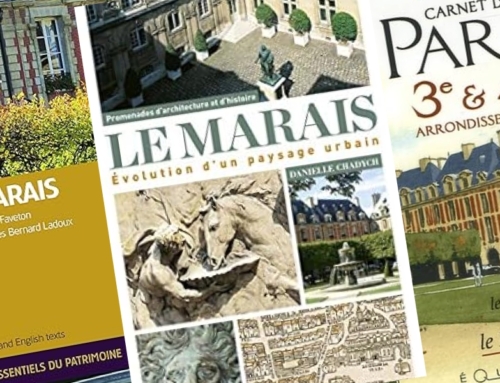
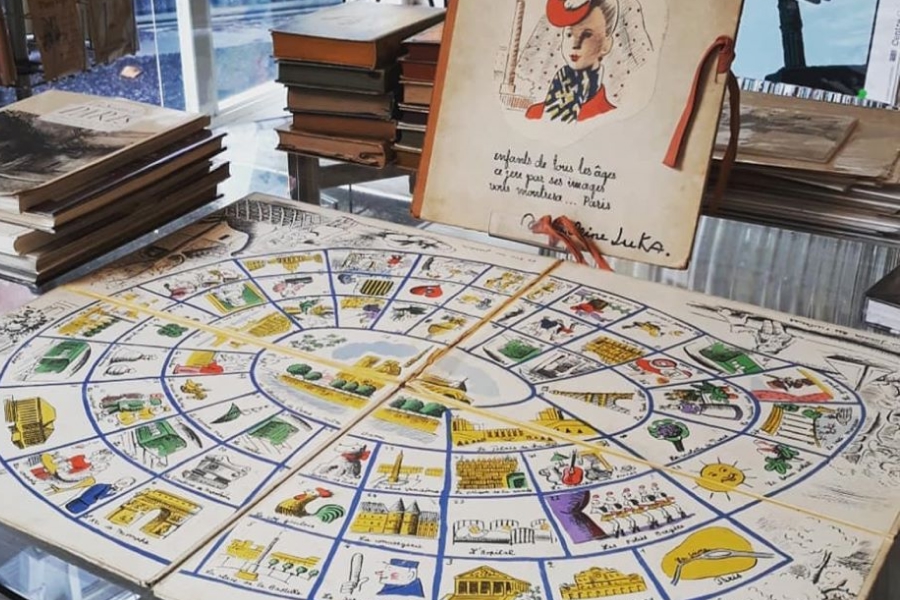
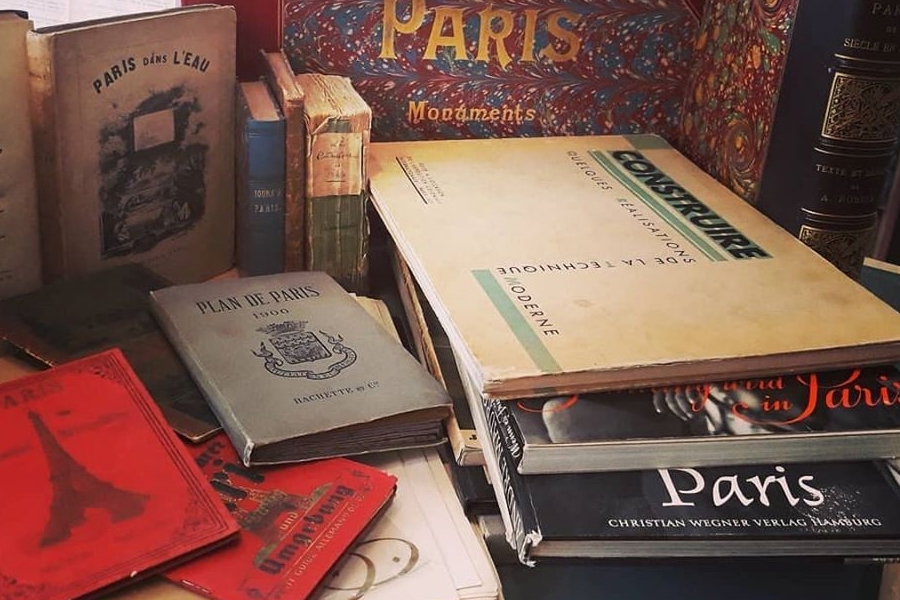
Since its opening in 2014, it has offered a rich and varied collection: reference works, prints, maps, guides, photographs, magazines and old postcards. Christelle Gonzalo, a trained historian and passionate about Paris, is the soul of this place. Her love for the city shines through in every corner of the bookstore, offering visitors a deep immersion into the capital's past. I regularly find gems there, including “homemade” booklets telling the history of the neighborhood’s streets. Saint-Paul.
My restaurant advice: the Bistrot Caché !
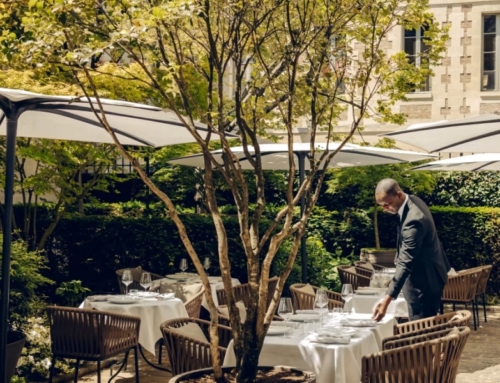
After walking the cobbled streets and discovering the hidden treasures of the Village Saint-Paul, a gourmet break is essential. For my part, I have a weakness for " Le Bistrot Caché" Nestled in the green courtyard of the village (access in particular to 13 rue Saint Paul) with a quiet interior courtyard, this bistro offers a succulent french cuisine in a intimate and warm setting and quite reasonable prices (average price of €22). You can have lunch there every day and also dinner on Saturdays and Sundays. Remember to book!
Another gourmet option, the restaurant Pinot Grigio located at 7, rue Charlemagne. It is a delicious Italian restaurant as well as a wine bar with a cozy atmosphere and a very nice music playlist. The terrace is also nice.
You got it, the Village Saint-Paul is not just a neighborhood, it is for me an enchanted parenthesis, a setting where history is written on every paving stone, where objects have a soul and where artisans pass on age-old know-how with passion. Here, we don't just pass by: we explore, we touch, we marvel, we discuss, we bargain, we dream. So, will you be one of those who are content to explore Paris on the surface, or will you be one of the initiates, those who dare to push open a door, venture into a paved courtyard and uncover the well-kept secrets of the Village Saint-Paul ?
© Julien Dumarais My Marais Paris