
Le Marais is one of the most evocative districts of Paris, and its history is inseparable from that of the Jewish community settled here since the Middle Ages. Over the centuries, the " Pletzl » – which means “small place” in Yiddish – has become an emblematic place of Jewish settlement in Paris. This affectionate term reflects the warm atmosphere of this enclave, where traditions, flavors and memory continue to shine. Strongly developed in the 19th century with the massive arrival of Ashkenazi families fleeing poverty and persecution in Eastern Europe, the Pletzl remains a living testimony to the resilience and cultural richness of a community that has overcome the trials of history.
Ready for this immersion? For this day rich in discoveries, flavors and atmospheres, let us find ourselves in front of Notre-Dame de Paris. Follow the leader !
Cathedral Notre-Dame-de-Paris
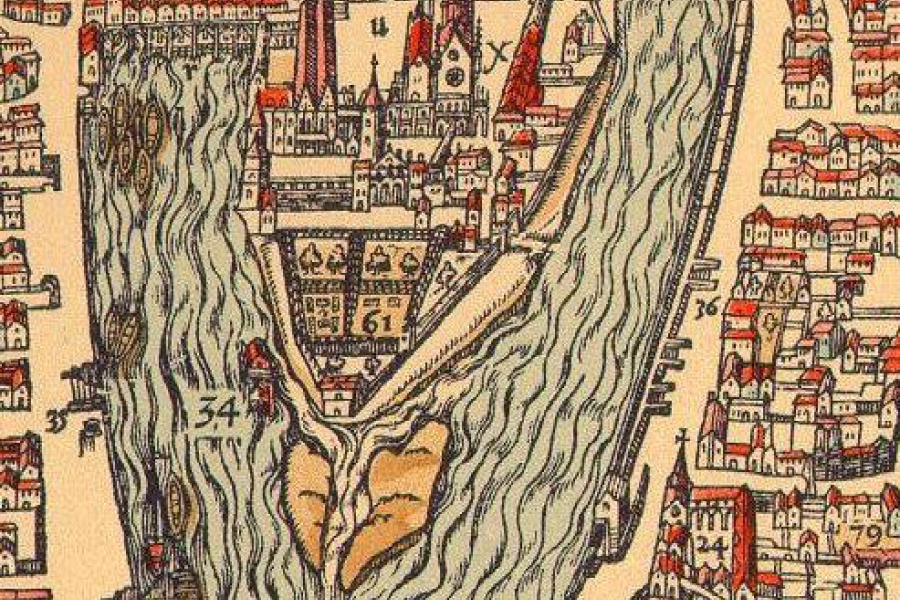
The current island of the city is one of the first Parisian districts of Jewish settlement in Paris from the 1163th century, notably around the old “rue de la juiverie”, located in the immediate vicinity of the Saint-Etienne cathedral destroyed in XNUMX to make way for Notre-Dame. Opposite the western end of the island, there once stood thejewish island, which became the current Square du Vert Galant during the construction of the Pont Neuf. During the Middle Ages, this island was the site of executions of Israelites. It was also on this "Jewish island" that the following was burned alive on March 18, 1314: Jacques de Molay, last Grand Master of the Order of the Temple founded in Jerusalem.
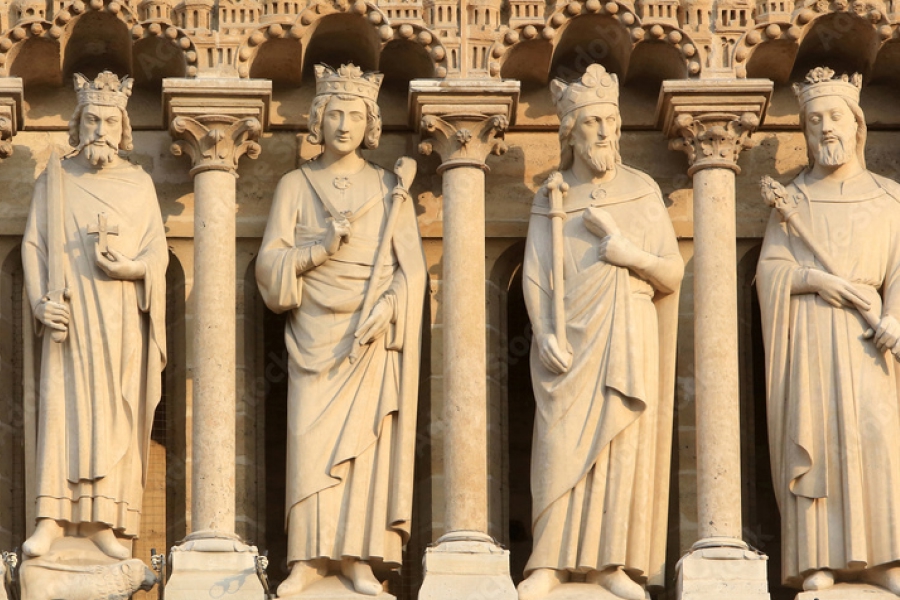
À Notre-Dame, the stone tells stories from the Old Testament and turbulent relations between the Church and the Jews. On the western façade, 28 monumental statues of the Kings of Judah and Israel dominate the scene, with a proud King David on his lion. These kings, sometimes confused with those of France, paid dearly for this confusion: their heads were decapitated during the Revolution. On both sides of the portal of the Last Judgment, two other statues personifying the defeated synagogue and the triumphant church, suggest a blindness and decline of the Hebrew faith in the face of Christianity…
More discreetly, the south portal offers us one of the most moving testimonies of medieval Judaism by unveiling a rabbi, a Torah scroll and a bimah. And in 1983, history was written differently: Jean-Marie Lustiger, of Jewish origin, became cardinal of Paris and built a bridge between the two religions.
Memorial of the Martyrs of the Deportation
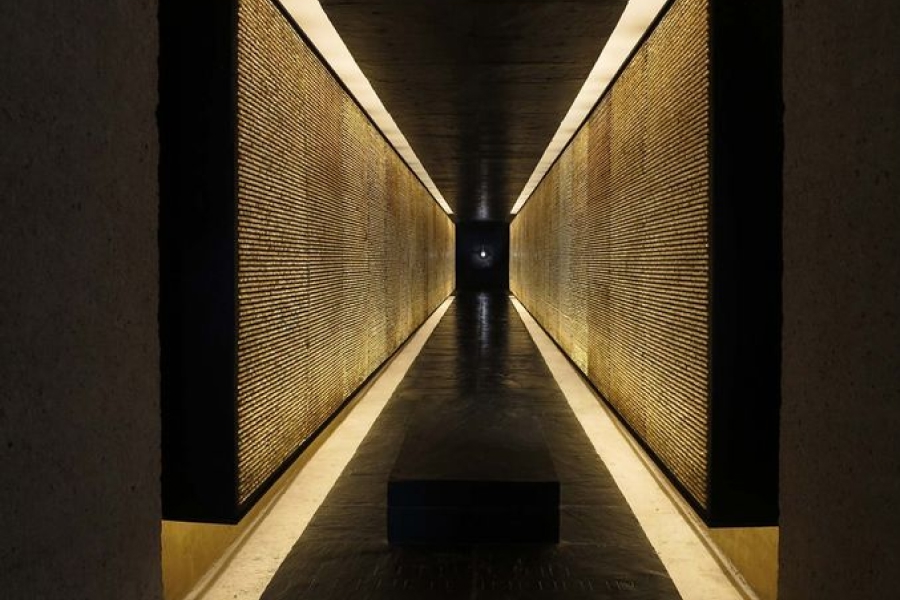
In the 20th century, Christian anti-Semitism gave way to that of the Nazis. At the end of theÎle de la Cité, I invite you to discover a a striking place of memory : the Memorial to the Deported from France between 1941 and 1944. Built on the site of a former prison, it offers a sober and moving setting, conducive to contemplation. At the heart of the monument, a crypt contains the remains of an unknown deportee, while the engraved stars bear witness to the lives cut short. On the walls, the words of poets Éluard, Aragon or Sartre resonate, giving a voice to this silence charged with history. A profound tribute that touches each visitor. Chilling and necessary.
Now let's cross the Seine to reach the right bank of the river!
Shoah Memorial and the Wall of the Righteous
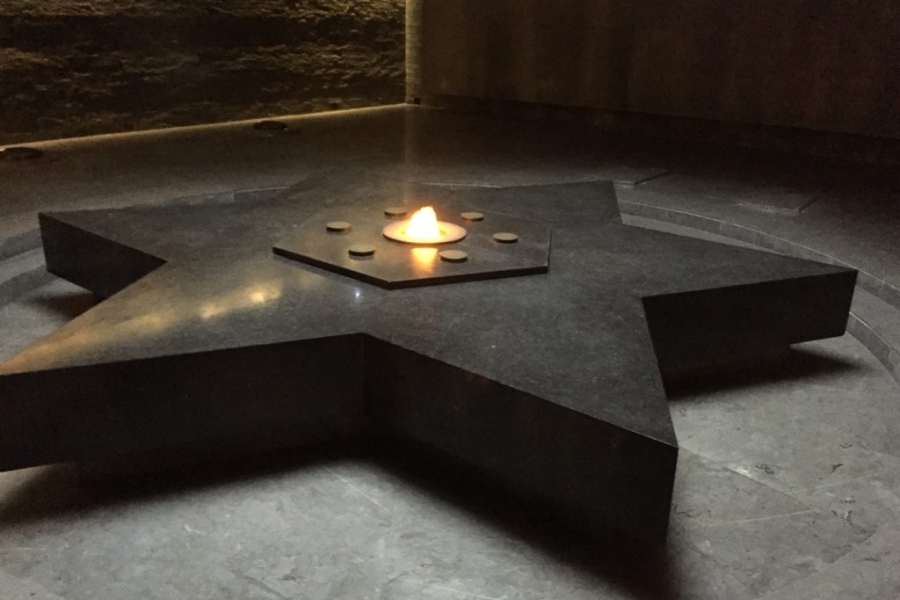
The Shoah Memorial is another moving place of memory. Besides the Wall of the Righteous, which honors those who saved Jews, discover the Wall of Names, where the 76 French Jews sent to the camps are buried. The crypt, sober and poignant, houses the ashes of victims of the camps, brought back after the war, mixed with soil from Israel. In its center, an eternal flame burns in homage to the six million Jews exterminated during the Holocaust. Also explore the permanent and temporary exhibitions, as well as the bookstore, rich in works on the Holocaust and human rights. An essential place.
After a morning heavily marked by reminders of the tragedies, It's high time to celebrate life to the fullest. Come on, let's go to the Pletzl, and let yourself be carried away by the energy of the neighborhood! But before that, let's make way for a delicious lunch break at Tavline, my favorite restaurant in the neighborhood!
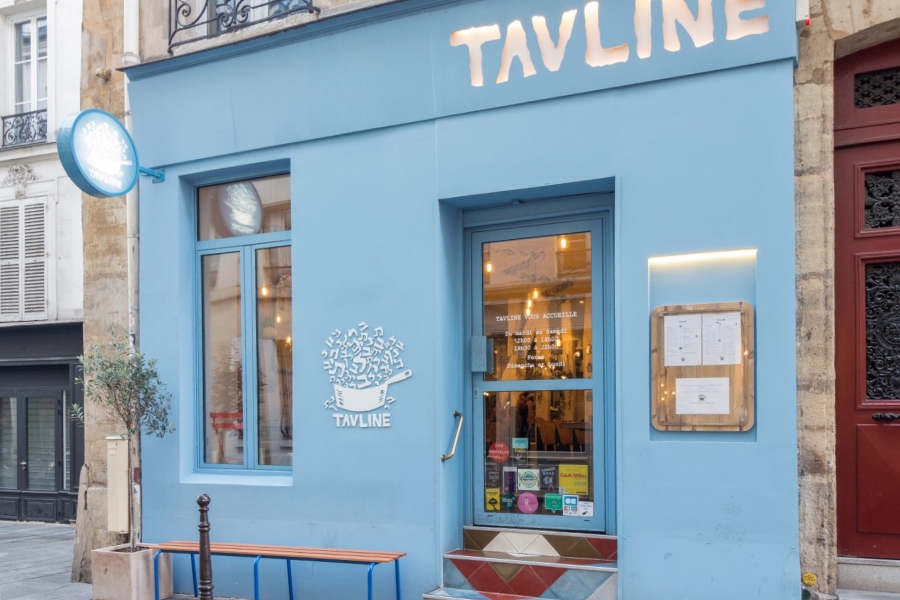
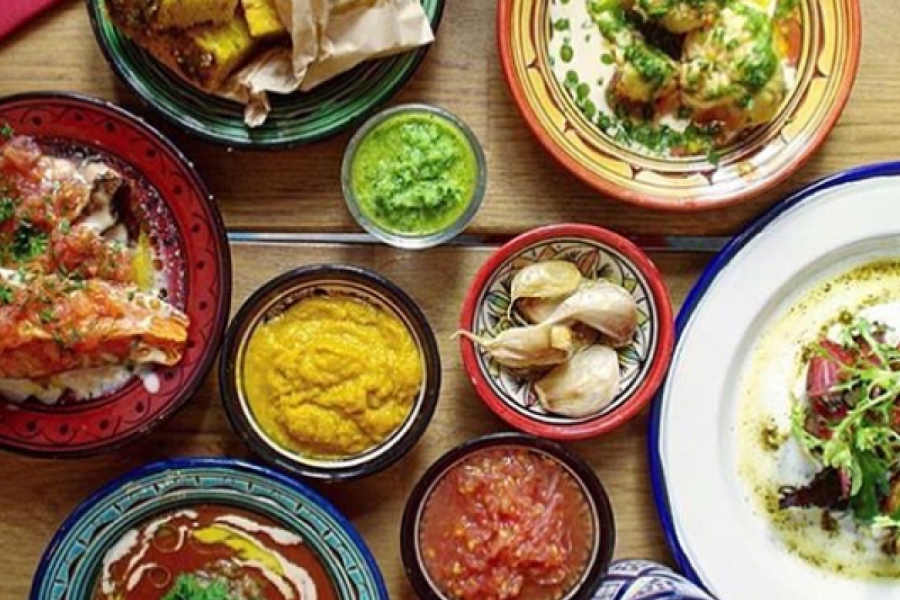
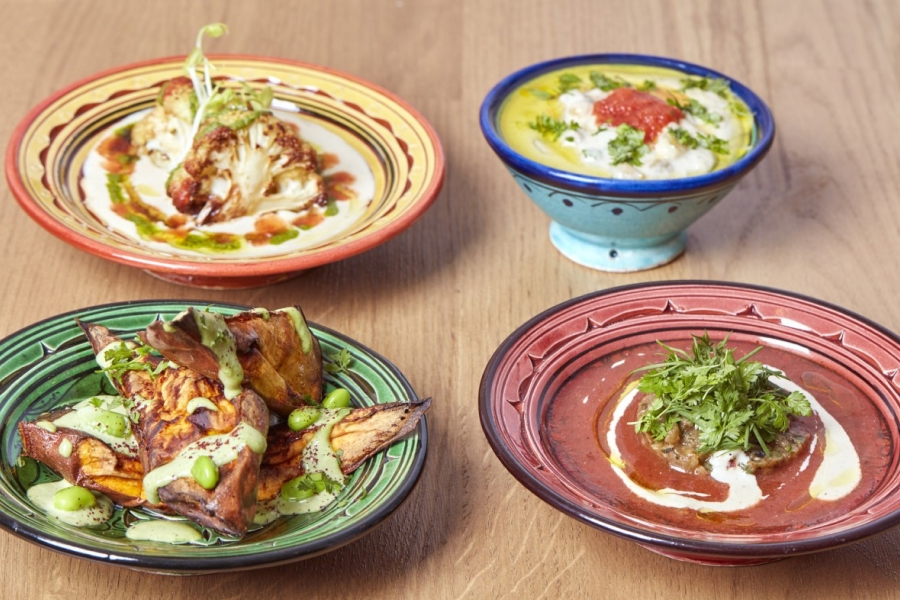
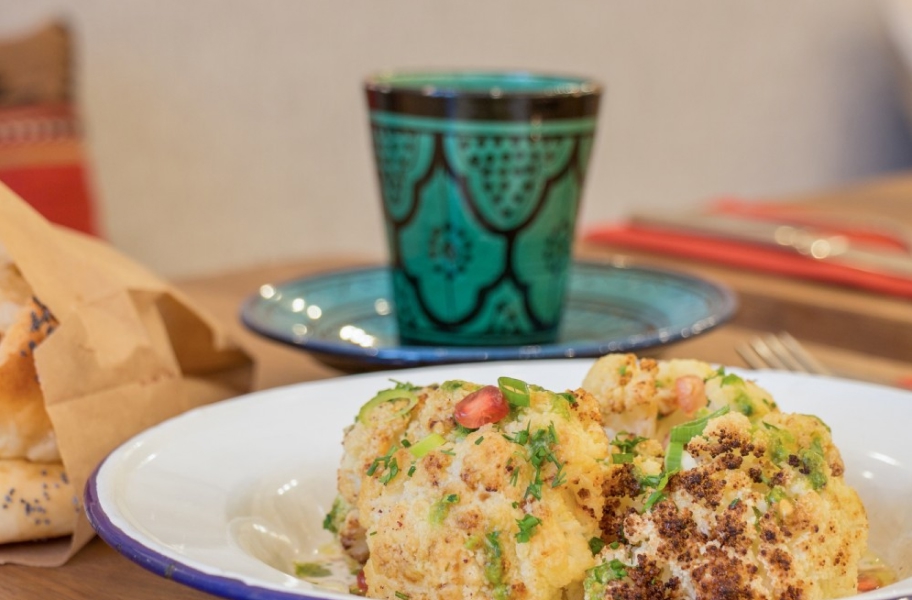
Tavline, it's a real piece of Tel Aviv in the heart of Marais, and believe me, it changes everything! This vibrant restaurant takes me every time on a lively Israeli culinary experience, inspired by family recipes and the energy of Tel Aviv's food markets. Each bite is an explosion of flavors, with Mediterranean and oriental spices like Zaatar and Mechaia that transport me directly to the oriental sun. Behind this gourmet creativity, there is Kobi Villot-Malka, a former chef trained by Alain Ducasse, who puts all his heart and know-how into each plate. The result? A real treat for the taste buds, every time you visit!
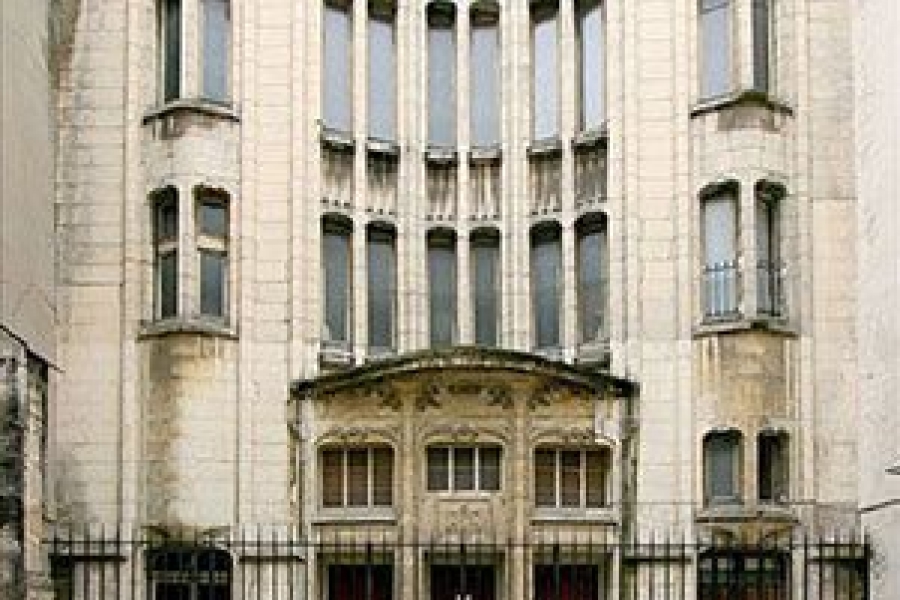
Agoudas Hakehilos Synagogue, known as “Rue Pavé”
Let's now continue with a stroll through the narrow streets of the Pletzl. Designed in 1913 by Hector Guimard, the creator of the famous Parisian metro entrances, this synagogue is a a true masterpiece of Art Nouveau, designed for the Russian Hasidic community that recently arrived in Paris. Every time I pass by, I can't help but admire its intriguing façade, made of agglomerated stones on a reinforced concrete frame. Undulating, it gives the building an astonishing impression of grandeur, despite its location wedged between two buildings. The narrow windows and plant motifs bring a unique, almost secret, touch to the Synagogue de la rue Pavée.
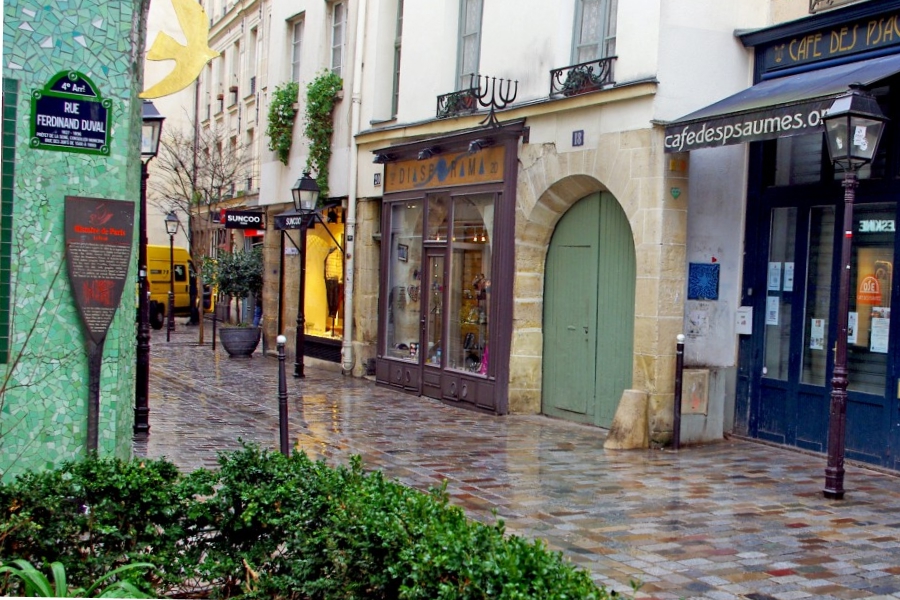
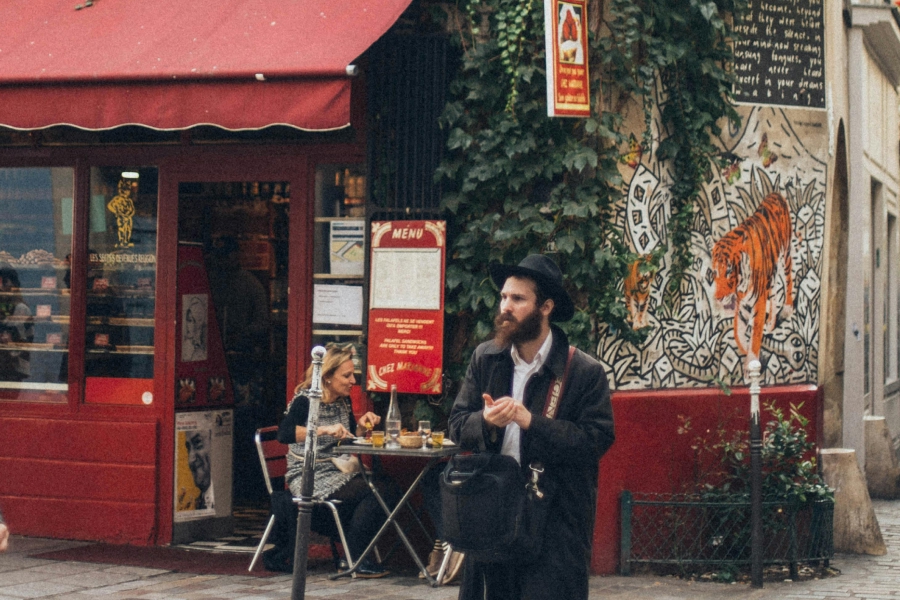
Rue des Rosiers in the Pletzl
This street is the vibrant heart of the Pletzl, taking its name from the old horticultural area where Jews settled from the 13th century, before being expelled by the King of France in the following century. After the revolutionary emancipation of 1791, the Jewish community slowly reconstituted itself. Until the 1930s, thousands of Jews came to settle in the Marais, transforming the neighborhood into a a real Parisian shtetl, with its shops, traditions and a unique atmosphere which still persists.
The tragedies of World War II, which decimated more than half of the Jewish population of the neighborhood, left an indelible mark. In the 1960s, the arrival of Sephardic Jews from North Africa brought the neighborhood back to life. Then, in 1973, the Rabbi Jacob movie with Louis de Funès, which has become a staple of popular culture, immortalizes this street, giving it a special place in the collective memory.
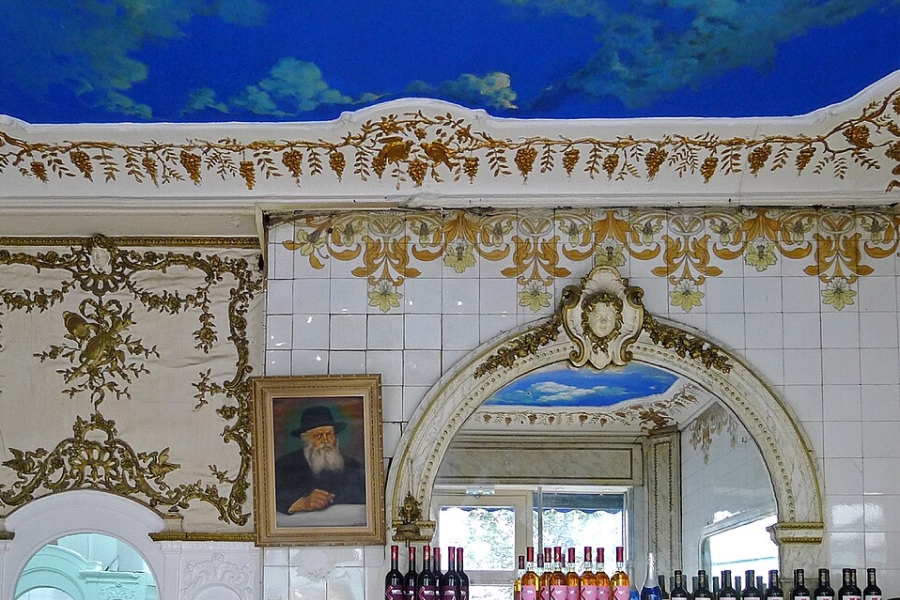
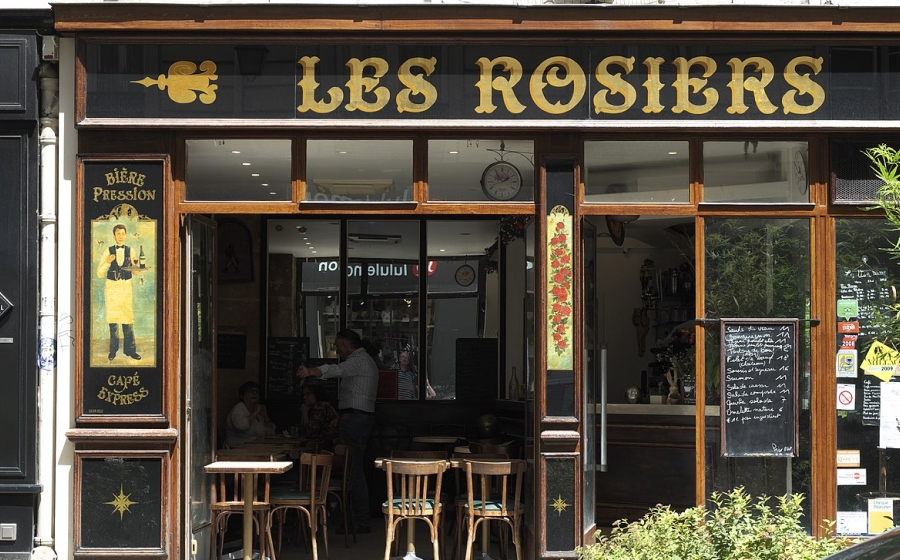
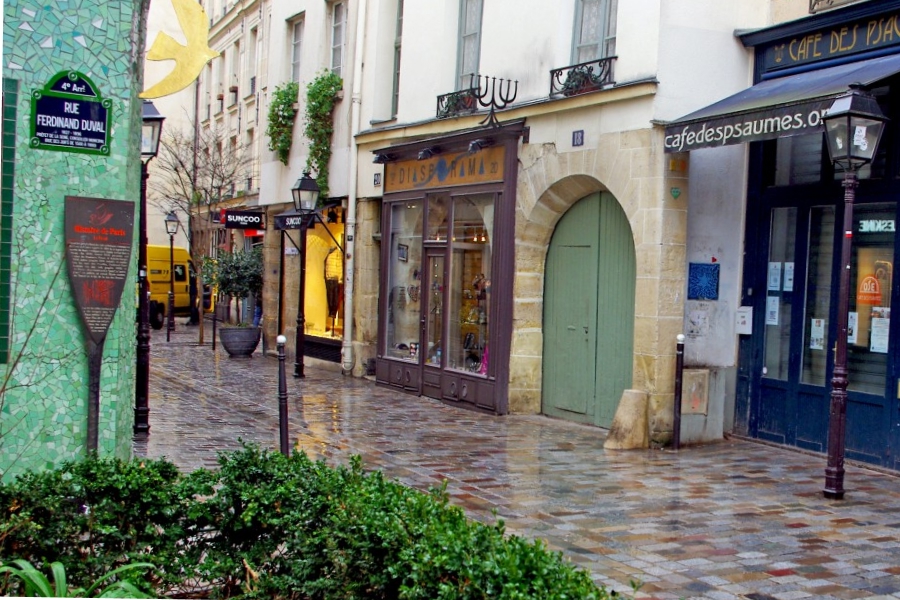
Some remarkable and memorable places on Rue des Rosiers:
- At number 4 bis, a Commemorative plaque pays tribute to the staff and students of the ORT school (a Jewish philanthropic educational organization founded in Russia in 1880) deported to Auschwitz by the Gestapo and the Vichy police.
- 7 rue des Rosiers, the facade of theformer restaurant run by Jo Goldenberg keeps the memory of the tragic attack of August 9, 1982 which took six lives and injured 22
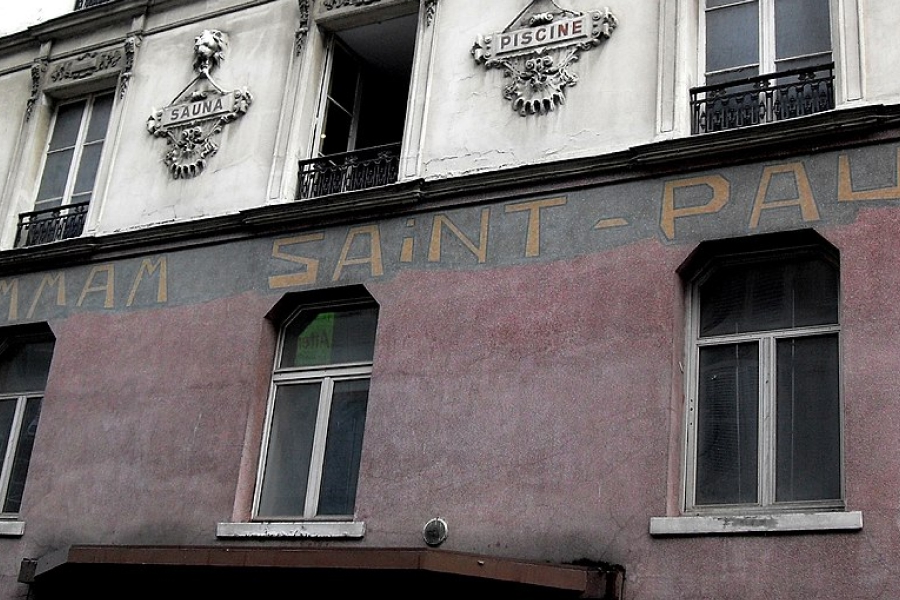
- At number 8, discover theold hammam Saint-Paul, founded in 1863. It is an emblematic place in Jewish social and ritual life. Do not miss to admire the splendid red granite cladding that adorns the façade.
- At 10, rue des Rosiers, push open the porch of the Hôtel d'Albret to discover the peaceful Joseph Migneret Rose Garden, dedicated to this Righteous Among the Nations who saved children from the nearby Hospitalières-Saint-Gervais school
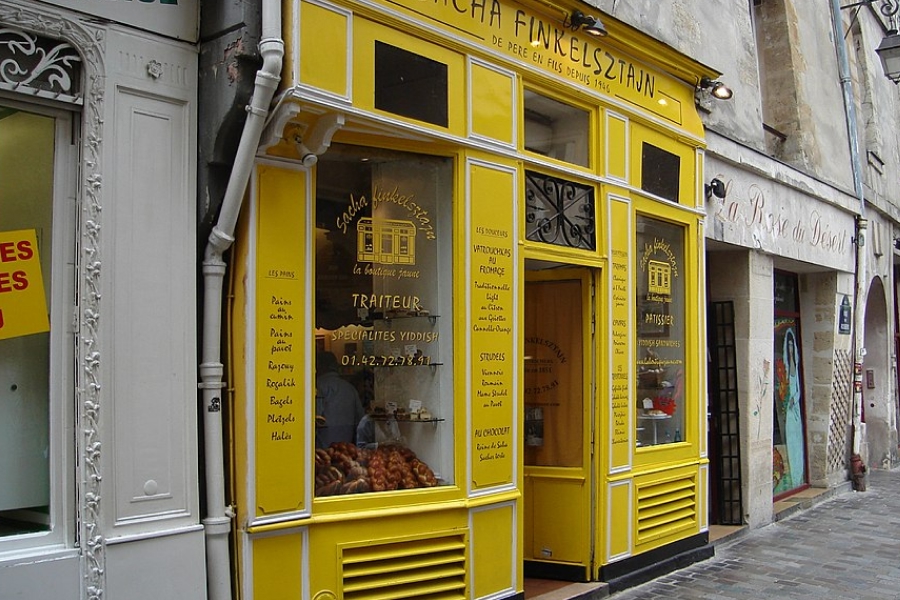
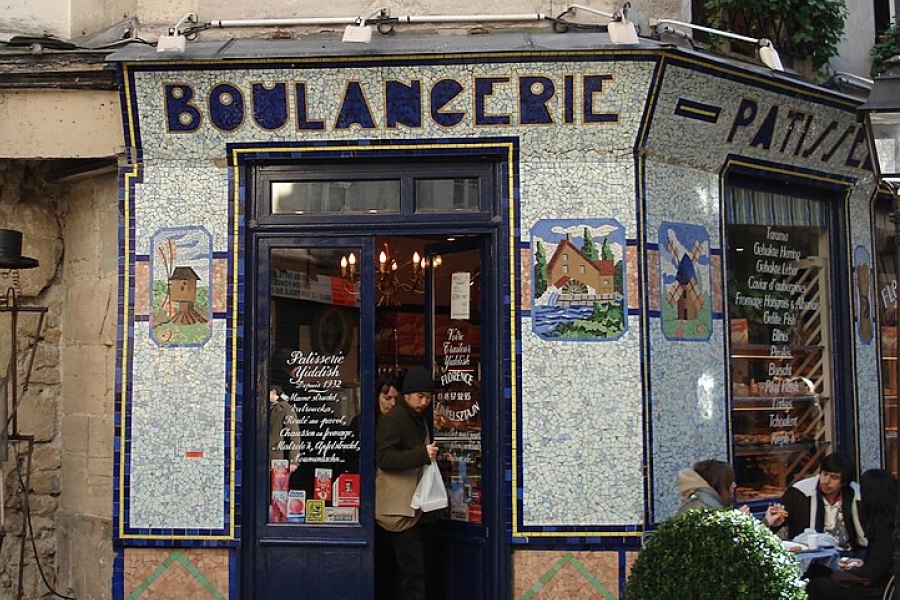
- If you want to eat on the go, the Florence Kahn Bakery located at 24 rue des Ecouffes, on the corner of rue des Rosiers, is ideal. This " blue shop » with its 1932 façade listed as a Historic Monument, offers a wide variety of traditional flavors from the Yiddish world. At 27 rue des Rosiers, you will also find the « "yellow shop" by Sacha FInkelsztajn, another bakery-caterer-pastry shop that guarantees the Yiddish flavors of Paris. All the tourist guides will tell you that the true institution of the neighborhood is The Ace of Fallafel (34 rue des Rosiers) famous for its falafels. Of course, but be prepared for an often endless queue (and like me, maybe patience is not your strong point…), with no reservation possible, unlike " Chez Hanna ", the neighboring restaurant of 54. This charming restaurant typical of the spirit Pletzl will delight your taste buds with its generous cuisine, a lively and dynamic welcome and a warm atmosphere. Check the availability of " Chez Hanna » here !
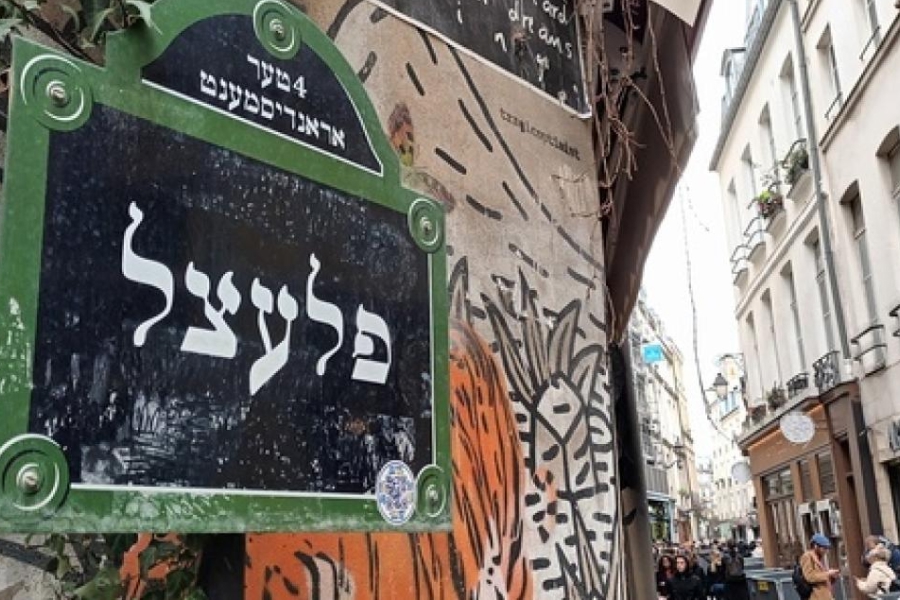
- At the crossroads of Rue des Hospitalières Saint-Gervais there is a Yiddish plaque on street art background and the bookstore of Temple Chir Hadash. Ideal for lovers of Jewish culture and literature.
Courtyard of the 260 children
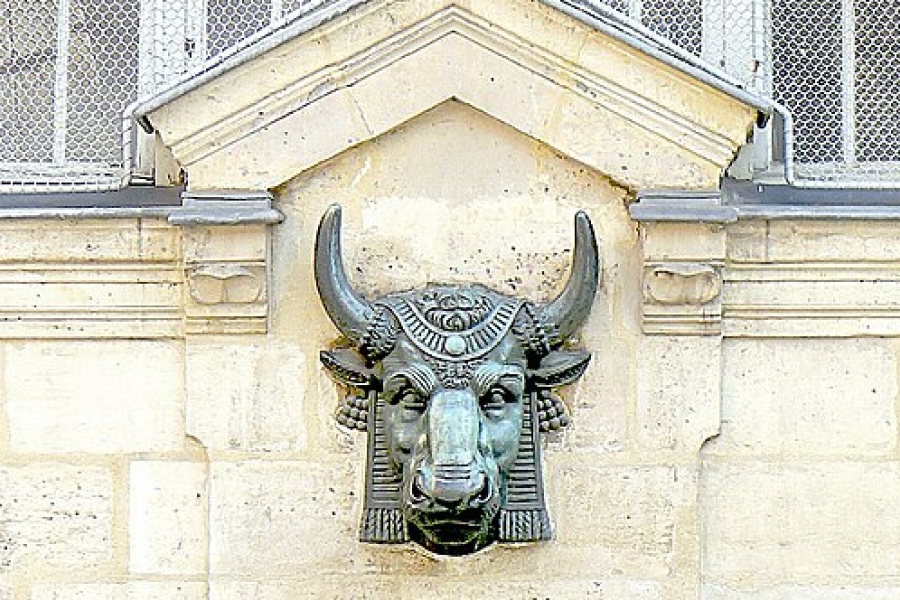
As you continue on your way, stop at the “Parvis des 260 enfants”. A plaque reminds us that 260 children from theÉcole des Hospitalières-Saint-Gervais, the first Jewish school in Paris, were deported following the Vel' d'Hiv roundup in 1942, then murdered in Nazi extermination camps. The façade featuring two Assyrian-style bronze ox heads is a reminder that the courtyard of this school was built on thelocation of a former butcher's pavilion. Just opposite, the hall of Blancs Manteaux was once the liveliest market in the Pletzl. It is now a very popular exhibition space for local residents, I usually go there...
Museum of Jewish Art and History (MAHJ)
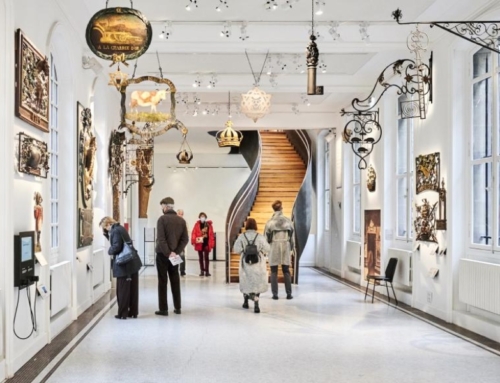
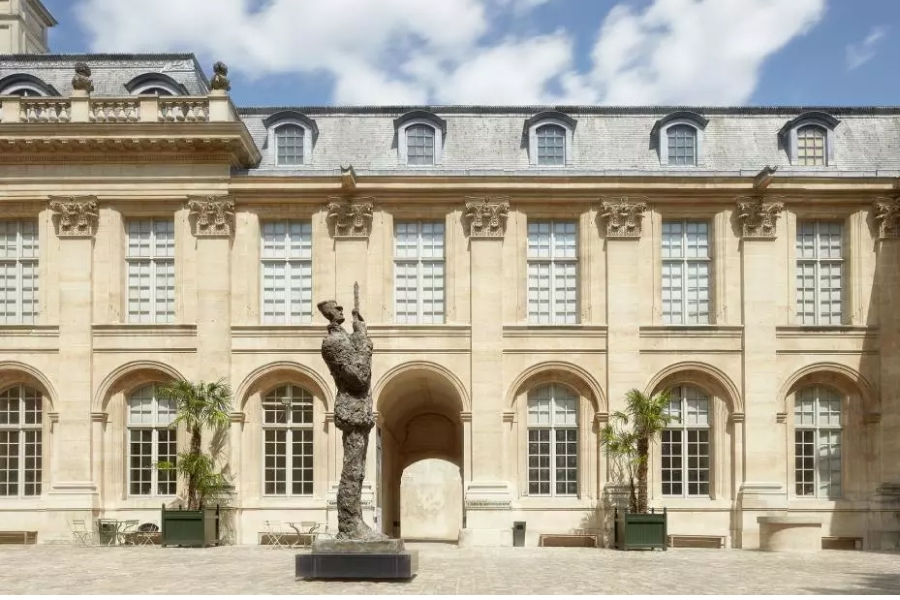
Let's continue our day with a visit to the Museum of Jewish Art and History, housed in the former Hôtel de Saint-Aignan, a magnificent private mansion du XVIIe. It is a statue of captain Dreyfus who welcomes you into its courtyard. This museum traces Jewish history and culture through collections of great variety and richness: manuscripts, liturgical objects, paintings, sculptures and historical archives. An important place is given to the Jewish presence in the arts with painters from the School of Paris (Chagall, Soutine, etc.) and contemporary artists (Christian Boltanski, Sophie Calle, etc.). The temporary exhibitions, often daring, explore contemporary themes of Judaism. A complete visit takes about an hour, but history and art lovers can devote more time to it, because This museum is a gem.
Anne-Frank Garden
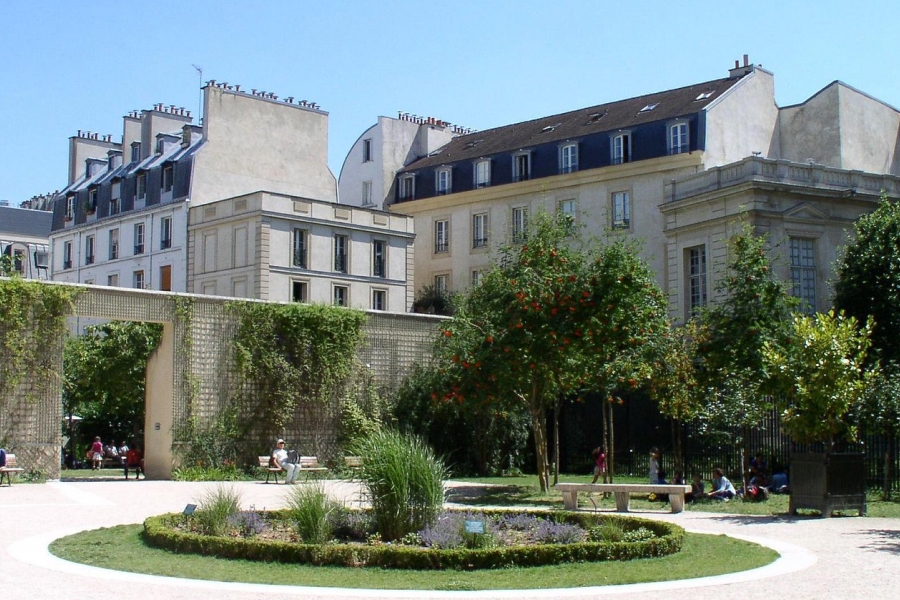
Right next to the MAHL, I offer you a bucolic break in this secret garden dedicated to the memory of Anne Frank. A chestnut tree planted with a scion from the tree Anne admired from her window in Amsterdam and described in her diary sits there. A bronze sculpture evokes the pages of her diary, adding a poignant touch. Two statues also pay tribute to the Romanian-born French poet Paul Celan, a Holocaust survivor.
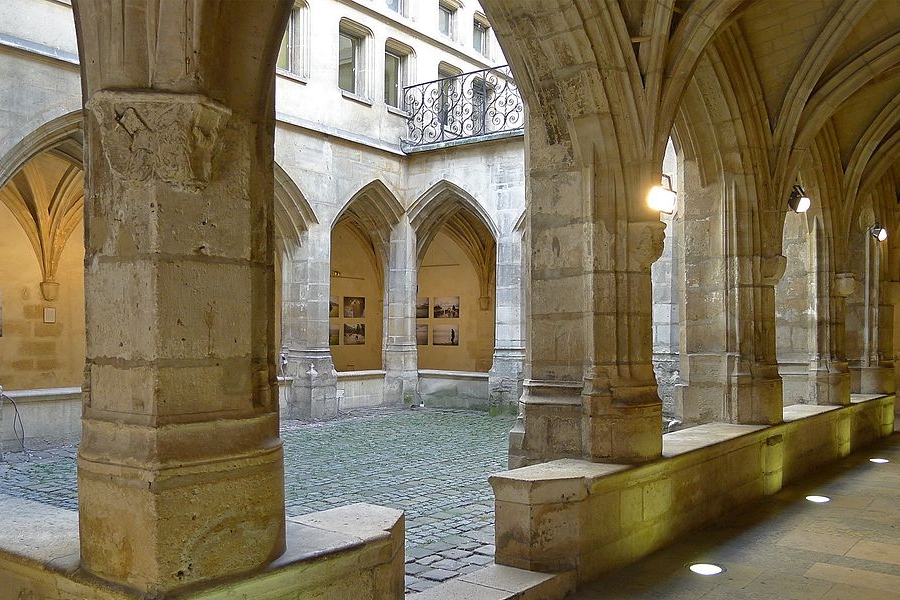
Church and cloister of Billettes
One of the most famous accusations against Jews in Christian Europe was launched in Paris in 1290. Jonathan, a Jewish pawnbroker, was accused of having desecrated a host by cutting it with a knife. Miraculously, this host then caused blood to flow. Then, thrown into boiling water, it began to fly. Jonathan was then condemned and burned alive in Place de Grève, the current square of the neighboring Town Hall. His house was transformed into an expiatory chapel called "the house of miracles", to which was added the current cloister of Billettes in the 15th century… Although modified and restored several times, it is the only medieval cloister remaining in Paris. A magnificent place where exciting exhibitions are now organized.
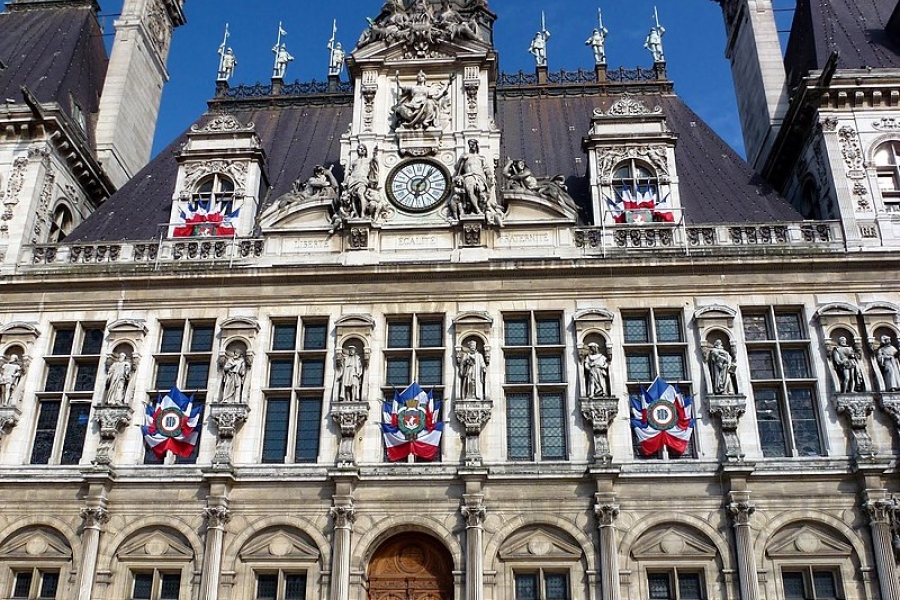
Place of theHôtel de Ville of Paris
Finally, we are back on the'old Place de Grève', opposite the cathedral Notre-Dame where we began our day of discoveries of the Jewish history of Paris. In this place took place the famous "Talmud trial", a major event in Jewish history and their troubled relationship with Christianity. After a long ecclesiastical trial, twenty-four cartloads of the Talmud, considered "an infamous book", were solemnly burned here on June 17, 1242 on the orders of King Saint Louis. It was the first time that such a campaign of destruction of Jewish books had taken place in Europe, a turning point in the intellectual and religious history of the West...
After this long day of exploring the Jewish quarter of Marais, the time has come to ending with a fireworks display of flavors. I suggest you togo to dinner at Boubalé's, the Yiddish restaurant that (almost) everyone in Paris is talking about, within the hotel Grand Mazarin recently opened. Enjoy your meal!
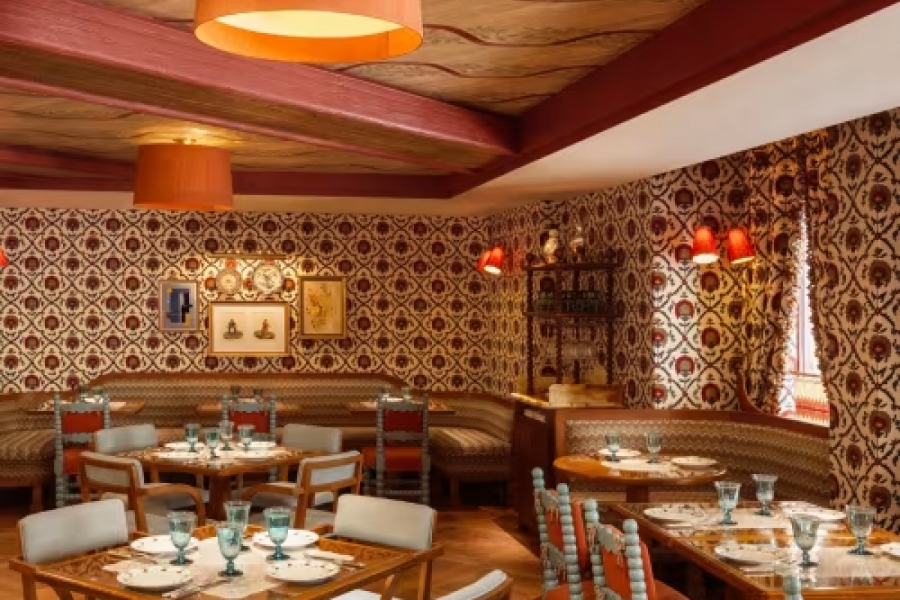
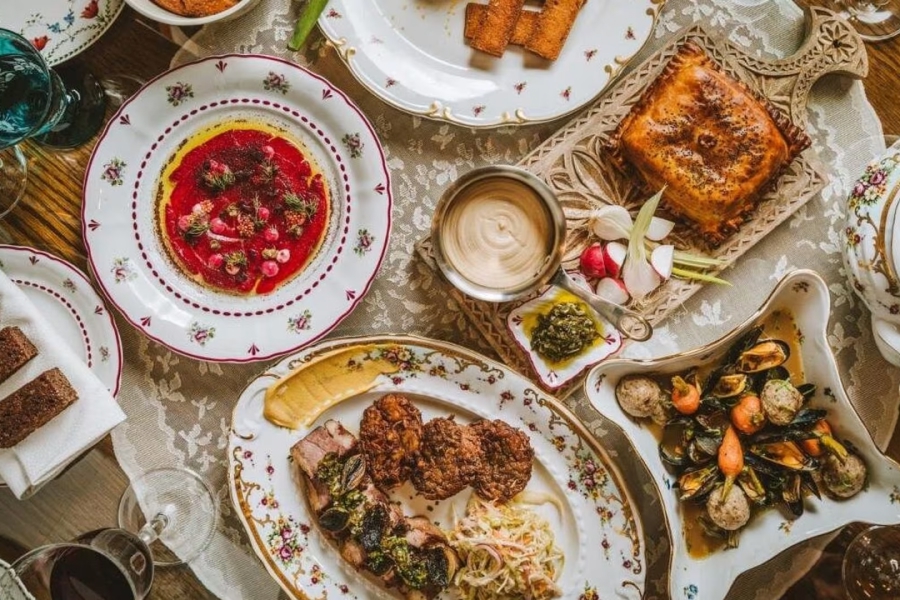
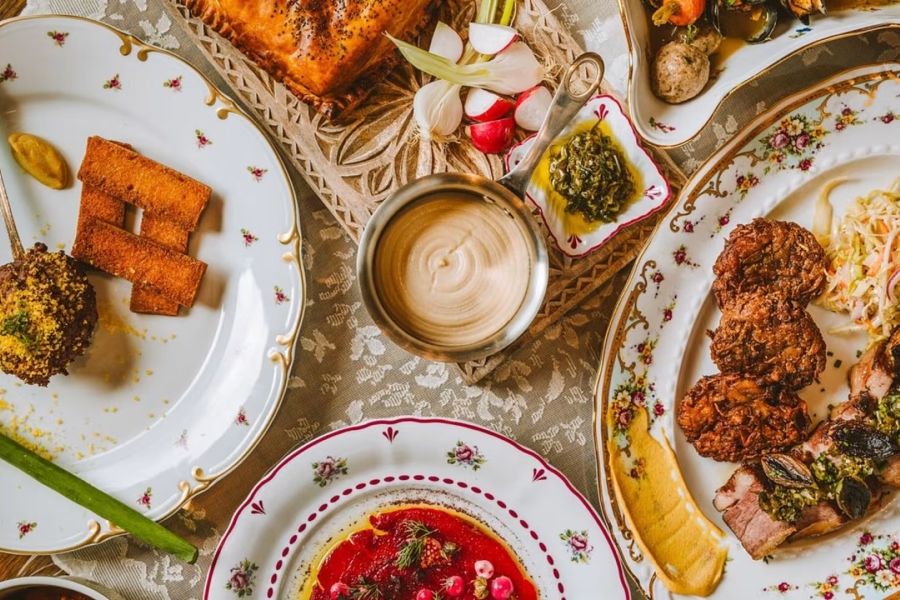
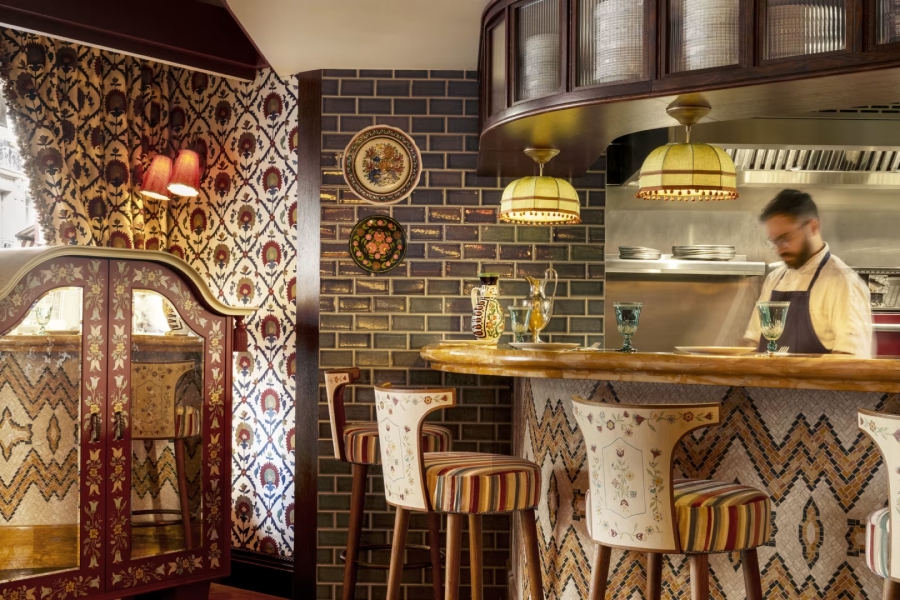
Tavline, it's a real piece of Tel Aviv in the heart of Marais, and believe me, it changes everything! This vibrant restaurant takes me every time on a lively Israeli culinary experience, inspired by family recipes and the energy of Tel Aviv's food markets. Each bite is an explosion of flavors, with Mediterranean and oriental spices like Zaatar and Mechaia that transport me directly to the oriental sun. Behind this gourmet creativity, there is Kobi Villot-Malka, a former chef trained at Alain Ducasse, who puts all his heart and know-how into each plate. The result? A real treat for the taste buds, every time you visit!
BONUS! Guided tours, Place des Vosges and books!
Place des Vosges
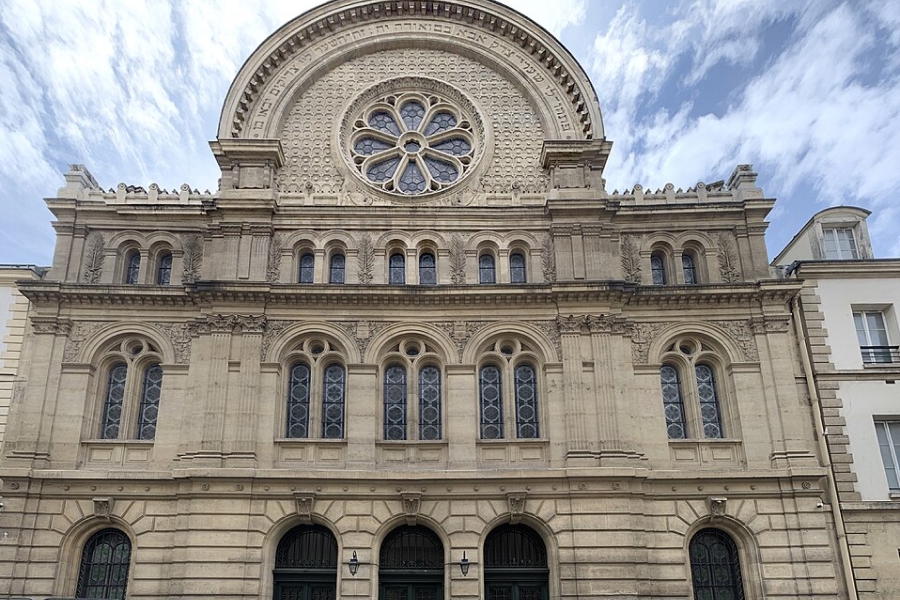
While you are discovering the Place des Vosges where the small Charles Liché synagogue is located (very discreet entrance at number 14), take a little detour to admire the facade of the Synagogue des Tournelles located just behind at 21 bis rue des Tournelles…
Guided tours
If you only have 1h30 and want to get straight to the point, I invite you to book a guided tour with Robin who will share with you his passion for the Yiddish world…and its pastries! For 1h30, a immersive and gourmet discovery of Pletzl to feel today's living culture. Fridays and Sundays, French English, Italian ou German.
This other one 2-hour guided tour, which begins at the foot of Notre-Dame-de-Paris receives all praise from its participants. Check availability below. Visit in English, French ou Serbo-Croatian.
Every day except Saturday, Benjamin leads you during 2 hours in the Marais to discover the Jewish heritage and history of the neighborhood. This tour is exclusively in English.
To go even further!
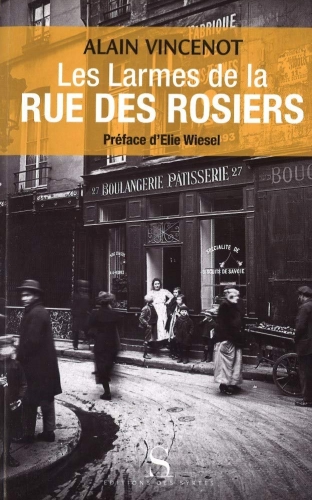
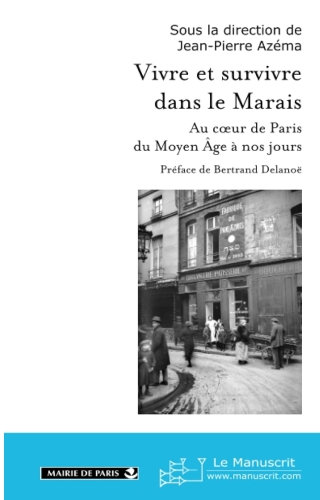
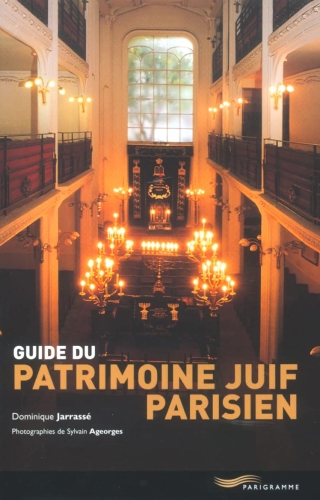
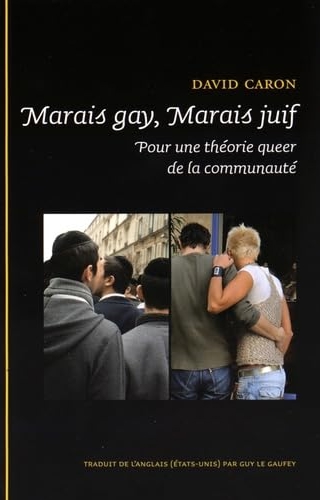
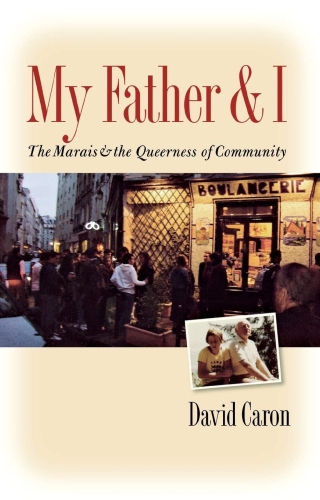
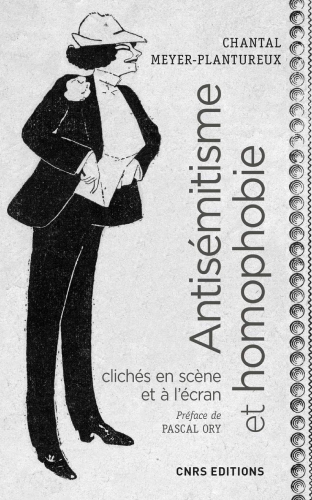
Several works have particularly fascinated me, here they are below for stock your library and continue the pleasure of your discovery of Marais